Agricultural Waste Biomass Dryer
It is a leader in designing and developing advanced agricultural biomass dryers and related technologies. Kerone Engineering Solutions Ltd. has successfully created agricultural biomass dryers by leveraging its extensive experience in the industry.
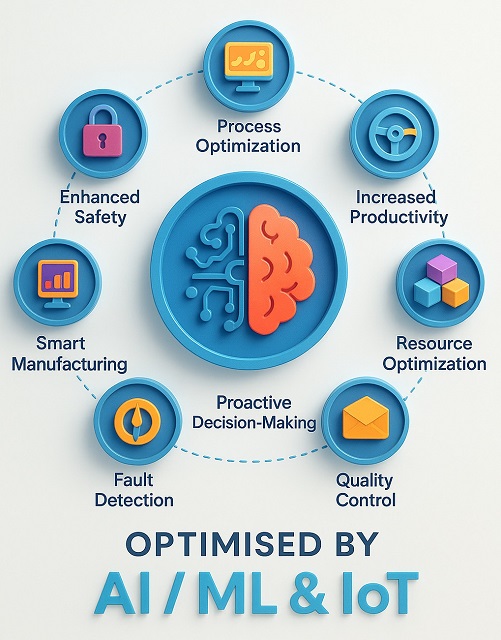
Our biomass drying solutions focus on sustainability. They are designed to be energy efficient and highly reliable. By using Artificial Intelligence, Machine Learning, and IoT, Kerone supports intelligent automation, real-time monitoring, predictive maintenance, and improved operations. This ensures that drying is done efficiently, using less energy and ensuring greater availability. It allows industries to effectively use agricultural waste in producing bioenergy, biochar, or other sustainable products.
The Kerone systems are designed to meet Industry 4.0, which leverages AI-powered analytics and IoT connections to provide clients with data insights and intelligent automation to manufacture next-generation products.
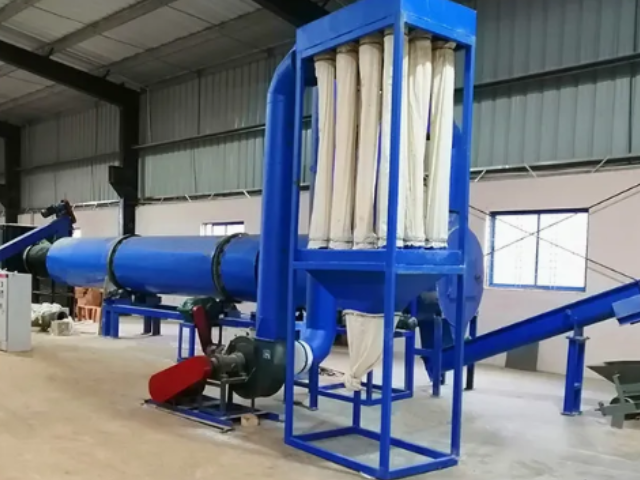
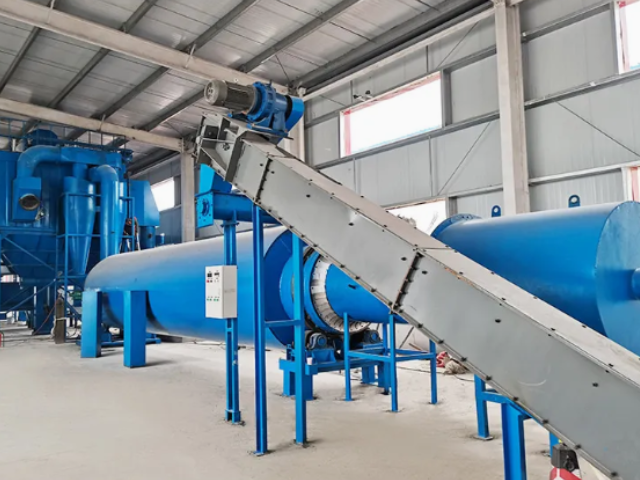
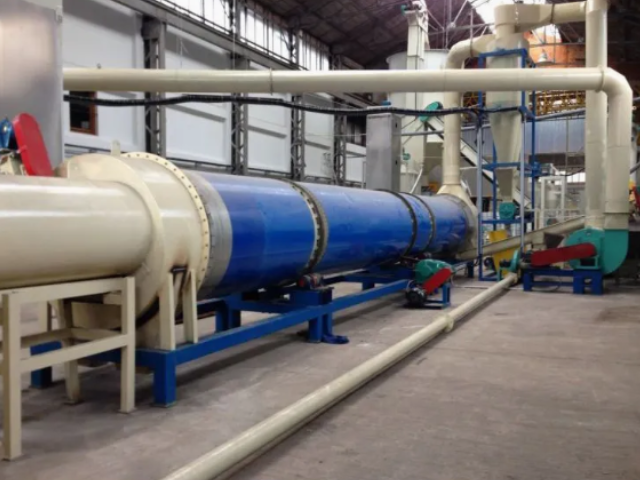
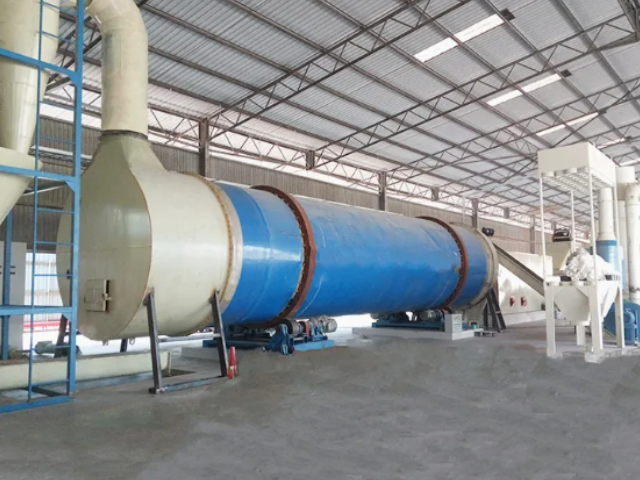
The Agricultural Waste Biomass Dryer is a robust industrial drying solution engineered to convert high-moisture farm residues such as straw, husks, stalks, shells, and spent crop biomass into stable, low-moisture feedstock ready for combustion, pelletizing, co-firing, composting or biochar production. Built for continuous industrial use, it combines gentle material handling with precise thermal control to preserve calorific value, reduce biological activity and lower transportation costs by dramatically cutting moisture content while keeping the material uniform.
Kerone’s Agricultural Waste Biomass Dryer delivers reliable performance backed by decades of industrial drying expertise. Designed for agricultural processors, bioenergy producers and large farms, the system prioritizes uptime, ease of operation and low life-cycle cost. Kerone pairs rugged construction with modular designs and PLC-based controls so customers get repeatable drying results, fast commissioning and strong service support, making it a practical choice for scaling biomass value chains.
Kerone offers multiple configurations of the Agricultural Waste Biomass Dryer to fit feedstock characteristics and plant layouts: batch and continuous belt systems, rotary drum dryers for bulky residues, fluidized bed and conveyor dryers for small particulates, and hybrid systems for mixed-material streams. Each unit features adjustable airflow and temperature profiles, staged drying zones and options for indirect heating or waste-heat integration, allowing operators to tailor drying intensity to the moisture, particle size and end-use requirement.
The Kerone Agricultural Waste Biomass Dryer turns high-moisture agricultural residues into valuable, stable feedstock that improves fuel quality, reduces logistics costs and opens new revenue opportunities for farms and processors. With multiple dryer types, energy-optimization options and rugged engineering, Kerone delivers a drying solution built for reliable performance in real agricultural and industrial conditions.
Key Features:- Flexible configuration options - Belt, rotary drum, fluidized bed and hybrid units to suit different biomass types.
- Precise moisture control - Multi-zone temperature and airflow management delivers consistent target moisture for downstream processes.
- Energy-efficient operation - Options for indirect heat, waste-heat integration and heat-recovery systems to minimize fuel use.
- Gentle material handling - Low-shear conveyors and controlled residence times preserve particle integrity.
- Easy automation & monitoring - PLC/SCADA interfaces with sensors for temperature, humidity and throughput with recipe-based control.
- Scalable modular design - Expandable modules allow capacity increases with minimal downtime.
- Robust construction - Corrosion-resistant materials, insulated enclosures and easy-access maintenance design.
- Safety & emissions control - Integrated dust suppression, explosion-mitigation measures and optional flue-gas treatment.
Kerone’s Agricultural Waste Biomass Dryers are extensively used in industries. Typical applications include:
- Drying rice husk, wheat straw and sugarcane bagasse prior to pelletization or briquetting.
- Preparing biomass feedstock for boilers, gasifiers or co-firing in thermal power plants.
- Stabilizing spent mushroom substrate, manure solids or other organic residues for composting.
- Reducing moisture for transport efficiency and lower freight cost.
- Pre-processing materials for biochar or torrefaction plants.
- Conditioning agricultural by-products for animal feed processing and long-term storage.
Q1: What kinds of agricultural waste can this dryer handle?
It handles residues like straw, husks, stalks, bagasse, shells, fruit pits, husk fines and mixed farm biomass. Size reduction may be recommended for very bulky feedstock.
Q2: What final moisture content can be achieved?Kerone dryers can reach moisture levels suitable for pelletizing, combustion or storage. Industrial targets typically aim for moisture low enough to prevent microbial activity.
Q3: What heat sources can be used?Supported heat sources include gas or oil burners, indirect heat exchangers, steam, thermal oil and waste-heat integration.
Q4: How energy-efficient is the system?The dryer includes energy-saving features like multi-zone control, heat recovery and insulation. Waste heat integration can further reduce operating costs.
Q5: What is the expected maintenance?Routine maintenance includes inspection of conveyors, bearings, seals, burners and sensors. Kerone designs ensure easy access and long component life.
Q6: Can the dryer be customized?Yes. Capacity, layout, heating method and control interfaces can be tailored to plant requirements and available utilities.