Biomass Organic Fuel Plant
Kerone Engineering Solutions Ltd. is a leading company in the provision of advanced industrial heating, drying, and process solutions of engineering globally. Having more than 50 years of expertise, we are experts in designing, producing, and delivering custom-made, state-of-the-art systems to meet the ever-changing requirements of the industries across the globe.
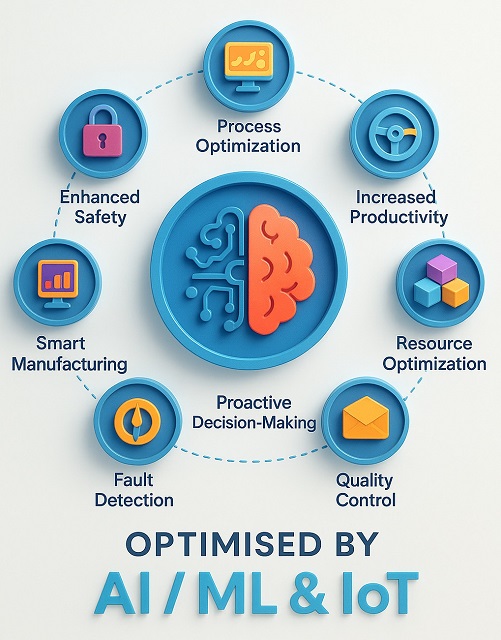
We have been involved in engineering excellence, sustainability, digitalization, and technological innovation to become a reliable collaborator whose business partners are in various industries. Kerone will implement Artificial Intelligence (AI), Machine Learning (ML), and Internet of Things (IoT) technologies in our systems to ensure smarter automation, real-time monitoring, predictive maintenance, and process optimization that is data-driven, thus enabling our clients to be more productive, efficient, and reliable.
The Kerone systems are designed to meet Industry 4.0, which leverages AI-powered analytics and IoT connections to provide clients with data insights and intelligent automation to manufacture next-generation products.
Kerone Engineering Solutions Ltd. is a leading company committed to utilizing the potential of organic biomass fuel for a sustainable and environmentally friendly future. We specialize in the development, processing, and distribution of biomass-based fuels and have a strong commitment to environmental management and sustainable energy. We can transform a variety of organic resources, such as wood, agricultural waste, and algae, into clean and sustainable energy sources thanks to our cutting-edge facilities and technology. By doing this, we significantly contribute to lowering greenhouse gas emissions, tackling climate change, and cutting down on waste.
A sustainable and renewable energy source made from organic materials including wood, crop residues, agricultural waste, and even algae, biomass organic fuel is frequently referred to as simply biomass fuel. The global endeavor to move away from fossil fuels and cut greenhouse gas emissions includes it as a crucial part. Biomass fuels are distinctive in that they use photosynthesis to transform atmospheric carbon dioxide into organic matter while also capturing and storing solar energy. This stored energy can be released as heat or utilized to power cars when burned or transformed into biofuels like ethanol or biodiesel. This makes it a flexible and environmentally acceptable energy source.
The carbon neutrality of biomass fuel is one of its main benefits. Although carbon dioxide is released into the environment when biomass is burned, it is virtually the same carbon that plants absorbed during growth. The net carbon emissions are kept to a minimum thanks to this closed carbon cycle, especially when compared to fossil fuels. Additionally, biomass is a plentiful and accessible energy source, making it a potential option for many areas of the world.
Wood pellets, chips, and biofuels are just a few of the different energy-producing forms that biomass can be transformed into. These can be applied to power production, industrial processes, and home heating. By utilizing organic materials that would otherwise be thrown away, biomass energy systems also significantly contribute to trash reduction, assisting in the simultaneous solution of both the energy and waste management problems.
Organic biomass fuel is a promising and long-term answer to our energy problems. It is a more environmentally friendly fuel than fossil fuels because it can capture solar energy, is carbon neutral, and has a variety of uses. Continued investment in R&D and the adoption of prudent resource management strategies are necessary to fully realize the promise of biomass fuel and to ensure a greener and more sustainable energy future.
Applications- Electricity Generation
- Heating and Cooling
- Transportation Fuels
- Cooking and Stoves
- Industrial Processes
- Waste Management
- Combined Heat and Power (CHP)
- Rural Development
- Carbon Sequestration
- Bio products
- Research and Development
- Renewable and Sustainable
- Carbon Neutrality
- Reduction of Greenhouse Gas Emissions
- Waste Utilization
- Versatility
- Regional Availability
- Energy Independence
- Environmental Benefits
- Technological Advancements